

Harmony/Rodale/Convergent
Build for Tomorrow
Build for Tomorrow
Couldn't load pickup availability
Collapsible content
ABOUT
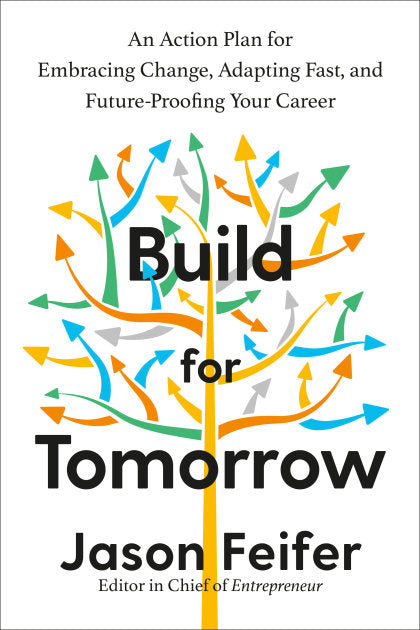
The moments of greatest change can also be the moments of greatest opportunity. Adapt more quickly and use the power of change to your advantage with this guide from the editor in chief of Entrepreneur magazine and host of the Build for Tomorrow podcast.
We experience change in four phases. The first is panic. Then we adapt. Then we find a new normal. And then, finally, we reach the phase we could not have imagined in the beginning, the moment when we realize that we wouldn’t go back.
Build for Tomorrow is designed to accelerate that process—to help you lessen your panic, adapt faster, define the new normal, and thrive going forward. And it arrives as we all, in some way, have felt a shift in our lives. The pandemic forced a moment of collective change, and we are still being forced to make new plans and adjustments to our lives, families, and careers. Many of us will never go back, continuing to work from home, demanding higher wages, or starting new businesses.
To help people along this journey, Entrepreneur magazine editor in chief Jason Feifer offers stories, lessons, and concrete exercises from the most potent sources of change in our world. He speaks to the world’s most successful changemakers—from global celebrities like Dwayne “The Rock” Johnson and Maria Sharapova to innovative CEOs and Main Street heroes—to learn how they decide what to protect, what to discard, and how to move forward without fear. He also draws lessons from history, looking at how massive changes across time can help us better understand the opportunities of today. For example, he finds guidance for our post-pandemic realities inside the power shifts that occurred after the Bubonic Plague, and he reveals how the history of innovations like the elevator and even the teddy bear can teach anyone to be more forward-thinking.
We cannot anticipate tomorrow’s needs, but it shouldn’t take a crisis to push us forward. This book will show you how to make change on your own terms.
STANDARD, PRIMARY, DM AND VARIANT COVERS
Standard and Primary covers are widely available through general retailers. They often have higher print runs and can be cheaper, especially during sales.
In contrast, Direct Market (DM) and variant covers are primarily sold in comic shops. DM editions tend to have more limited availability and may be more valuable to collectors.
The main differences lie in artwork style, availability, price, and collector appeal. Ultimately, the choice between standard and variant covers depends on personal preference, budget, and individual collecting goals.
PRODUCT TYPES
Comic book enthusiasts have various formats to choose from when collecting their favorite stories.
Here's a brief overview of the main types:
Omnibus
- Large, hardcover collections
- Usually contain complete runs or extensive story arcs
- Typically 800-1000+ pages
- Higher price point, often €100-€150
Oversized Hardcover (OHC)
- Similar dimensions to omnibus, but thinner
- Collect shorter runs or story arcs
- Usually 300-600 pages
- Priced between €30-€50
Hardcover (HC)
- Standard-sized hardcover books
- Collect 6-12 issues typically
- Similar dimensions to single issues, but with a hard cover
- Priced around €25-€35
Trade Paperback (TP)
- Softcover collections
- Standard comic book size
- Usually collect 4-6 issues
- Most affordable option, typically €15-€25
Other Formats
- Absolute Editions: Oversized, deluxe hardcovers (mainly DC Comics)
- Compendiums: Massive paperback collections
- Graphic Novels (OGN/GN): Original stories not previously released as single issues
The choice between these formats often depends on personal preference, budget, and collecting goals. Omnibus and OHC editions offer larger artwork and more content but at a higher price, while TPs provide a more affordable way to collect complete story arcs