

Catapult
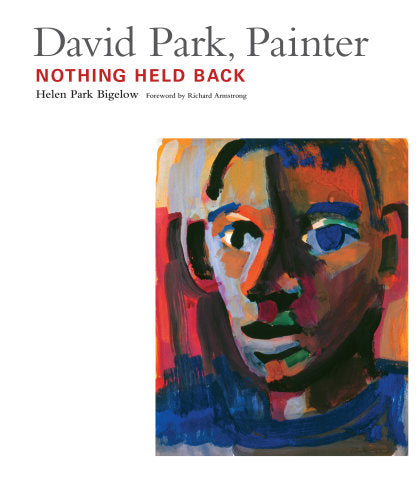
David Park, Painter
David Park, Painter
Couldn't load pickup availability
Collapsible content
ABOUT
A half century after his death, David Park (1911–1960) is recognized as one of America's most important twentieth–century painters. He was the first of the brilliant post–World War II generation of artists to break with Abstract Expressionism's hegemony and return to painting recognizable subjects, most powerfully the human figure. Park's original cohorts of Bay Area Figurative painters were his close friends Richard Diebenkorn, Elmer Bischoff, and Hassel Smith. All outlived him—Smith by nearly fifty years—and enjoyed recognition and fame during their lifetimes. Park's reputation is just now fully coming into its own.
In David Park, Painter, Park's younger daughter, writer Helen Park Bigelow, paints a mesmerizing, deeply moving portrait of her father's life and early, difficult death. Park left high school in New England without graduating and came west in order to paint. He married Lydia (Deedie) Newell when he was nineteen and was the father of two by the time he was twenty–two. We are brought into a family rich with moral conviction, ingenuity, smart and gifted friends, music, and art: four complex people guided and inspired by values of integrity. Those same values guided and inspired David Park's painting.
Yet this is much more than an artist biography. David Park, Painter is a skillful blend of memoir and observations about life in the Bay Area just before and just after World War II, when some of America's most original, even radical, artists and writers gathered there. This close–up portrayal is unlike other accounts of artists. It is the story of a family built on the love and dedication of one man who held nothing back from his art, and of the spirit of the wife and daughters who supported him. Richard Armstrong, in reflecting on Park's generation of artists in his foreword to this beautiful book, observes that David Park, Painter is "especially valuable as we persist in seeking to make real and human the commanding artistic figures."
STANDARD, PRIMARY, DM AND VARIANT COVERS
Standard and Primary covers are widely available through general retailers. They often have higher print runs and can be cheaper, especially during sales.
In contrast, Direct Market (DM) and variant covers are primarily sold in comic shops. DM editions tend to have more limited availability and may be more valuable to collectors.
The main differences lie in artwork style, availability, price, and collector appeal. Ultimately, the choice between standard and variant covers depends on personal preference, budget, and individual collecting goals.
PRODUCT TYPES
Comic book enthusiasts have various formats to choose from when collecting their favorite stories.
Here's a brief overview of the main types:
Omnibus
- Large, hardcover collections
- Usually contain complete runs or extensive story arcs
- Typically 800-1000+ pages
- Higher price point, often €100-€150
Oversized Hardcover (OHC)
- Similar dimensions to omnibus, but thinner
- Collect shorter runs or story arcs
- Usually 300-600 pages
- Priced between €30-€50
Hardcover (HC)
- Standard-sized hardcover books
- Collect 6-12 issues typically
- Similar dimensions to single issues, but with a hard cover
- Priced around €25-€35
Trade Paperback (TP)
- Softcover collections
- Standard comic book size
- Usually collect 4-6 issues
- Most affordable option, typically €15-€25
Other Formats
- Absolute Editions: Oversized, deluxe hardcovers (mainly DC Comics)
- Compendiums: Massive paperback collections
- Graphic Novels (OGN/GN): Original stories not previously released as single issues
The choice between these formats often depends on personal preference, budget, and collecting goals. Omnibus and OHC editions offer larger artwork and more content but at a higher price, while TPs provide a more affordable way to collect complete story arcs