

Clarkson Potter/Ten Speed
How to Become a Video Game Artist
How to Become a Video Game Artist
Couldn't load pickup availability
Collapsible content
ABOUT
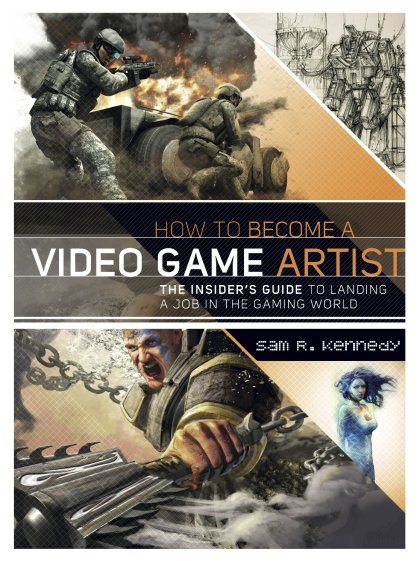
Every year video games generate billions of dollars and some of the most dynamic and engaging artwork today. It’s an ever-growing field that holds great professional opportunity, but you need the right skills and savvy if you want to stake your claim. In How to Become a Video Game Artist, veteran video game designer Sam R. Kennedy provides the inside track on everything you need to forge a career in the world of video game art. Starting with the basics of game creation and a look at the artistic skills necessary to get started, Kennedy spotlights specific, key roles for creators—from concept artists to character animators to marketing artists and beyond. Each chapter features screenshots from popular video games like Tom Clancy’s Ghost Recon and World of Warcraft; interviews with video game art professionals who’ve worked for top gaming companies like BioWare, Blizzard, and Ubisoft; step-by-step examples of actual game art; and detailed breakdowns of the training and portfolio samples you’ll need to make these jobs your own. For anyone who wants to go from gamer to game designer, this book contains all the secrets you’ll need to rise to the top of one of the most exciting industries of our time.
STANDARD, PRIMARY, DM AND VARIANT COVERS
Standard and Primary covers are widely available through general retailers. They often have higher print runs and can be cheaper, especially during sales.
In contrast, Direct Market (DM) and variant covers are primarily sold in comic shops. DM editions tend to have more limited availability and may be more valuable to collectors.
The main differences lie in artwork style, availability, price, and collector appeal. Ultimately, the choice between standard and variant covers depends on personal preference, budget, and individual collecting goals.
PRODUCT TYPES
Comic book enthusiasts have various formats to choose from when collecting their favorite stories.
Here's a brief overview of the main types:
Omnibus
- Large, hardcover collections
- Usually contain complete runs or extensive story arcs
- Typically 800-1000+ pages
- Higher price point, often €100-€150
Oversized Hardcover (OHC)
- Similar dimensions to omnibus, but thinner
- Collect shorter runs or story arcs
- Usually 300-600 pages
- Priced between €30-€50
Hardcover (HC)
- Standard-sized hardcover books
- Collect 6-12 issues typically
- Similar dimensions to single issues, but with a hard cover
- Priced around €25-€35
Trade Paperback (TP)
- Softcover collections
- Standard comic book size
- Usually collect 4-6 issues
- Most affordable option, typically €15-€25
Other Formats
- Absolute Editions: Oversized, deluxe hardcovers (mainly DC Comics)
- Compendiums: Massive paperback collections
- Graphic Novels (OGN/GN): Original stories not previously released as single issues
The choice between these formats often depends on personal preference, budget, and collecting goals. Omnibus and OHC editions offer larger artwork and more content but at a higher price, while TPs provide a more affordable way to collect complete story arcs