

Penguin Publishing Group
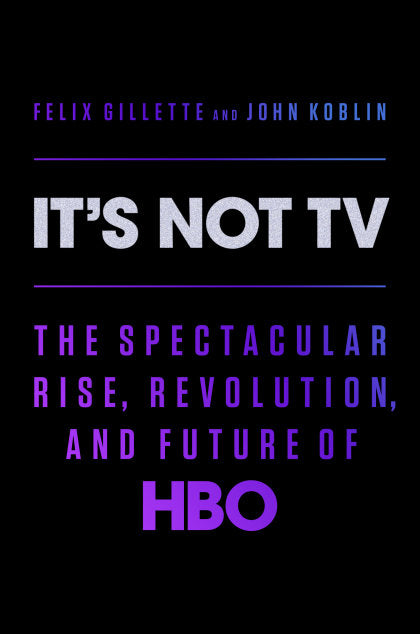
It's Not TV
It's Not TV
Couldn't load pickup availability
Collapsible content
ABOUT
“An incisive account that is more than a rosy victory lap for one of TV’s most influential channels.” —Eric Deggans, NPR’s “Books We Love”
“It’s Not TV proves to be a lively companion to all these shows.” —Andrew O’Hagan, The New York Review of Books
The inside story of HBO, the start-up company that reinvented television—by two veteran media reporters
HBO changed how stories could be told on TV. The Sopranos, Sex and the City, The Wire, Game of Thrones. The network’s meteoric rise heralded the second golden age of television with serialized shows that examined and reflected American anxieties, fears, and secret passions through complicated characters who were flawed and often unlikable. HBO’s own behind-the-scenes story is as complex, compelling, and innovative as the dramas the network created, driven by unorthodox executives who pushed the boundaries of what viewers understood as television at the turn of the century. Originally conceived by a small upstart group of entrepreneurs to bring Hollywood movies into living rooms across America, the scrappy network grew into one of the most influential and respected players in Hollywood. It’s Not TV is the deeply reported, definitive story of one of America’s most daring and popular cultural institutions, laying bare HBO’s growth, dominance, and vulnerability within the capricious media landscape over the past fifty years.
Through the visionary executives, showrunners, and producers who shaped HBO, seasoned journalists Gillette and Koblin bring to life a dynamic cast of characters who drove the company’s creative innovation in astonishing ways—outmaneuvering copycat competitors, taming Hollywood studios, transforming 1980s comedians and athletes like Chris Rock and Mike Tyson into superstars, and in the late 1990s and 2000s elevating the commercial-free, serialized drama to a revered art form. But in the midst of all its success, HBO was also defined by misbehaving executives, internal power struggles, and a few crucial miscalculations.
As data-driven models like Netflix have taken over streaming, HBO’s artful, instinctual, and humanistic approach to storytelling is in jeopardy. Taking readers into the boardrooms and behind the camera, It’s Not TV tells the surprising, fascinating story of HBO’s ascent, its groundbreaking influence on American business, technology, and popular culture, and its increasingly precarious position in the very market it created.
STANDARD, PRIMARY, DM AND VARIANT COVERS
Standard and Primary covers are widely available through general retailers. They often have higher print runs and can be cheaper, especially during sales.
In contrast, Direct Market (DM) and variant covers are primarily sold in comic shops. DM editions tend to have more limited availability and may be more valuable to collectors.
The main differences lie in artwork style, availability, price, and collector appeal. Ultimately, the choice between standard and variant covers depends on personal preference, budget, and individual collecting goals.
PRODUCT TYPES
Comic book enthusiasts have various formats to choose from when collecting their favorite stories.
Here's a brief overview of the main types:
Omnibus
- Large, hardcover collections
- Usually contain complete runs or extensive story arcs
- Typically 800-1000+ pages
- Higher price point, often €100-€150
Oversized Hardcover (OHC)
- Similar dimensions to omnibus, but thinner
- Collect shorter runs or story arcs
- Usually 300-600 pages
- Priced between €30-€50
Hardcover (HC)
- Standard-sized hardcover books
- Collect 6-12 issues typically
- Similar dimensions to single issues, but with a hard cover
- Priced around €25-€35
Trade Paperback (TP)
- Softcover collections
- Standard comic book size
- Usually collect 4-6 issues
- Most affordable option, typically €15-€25
Other Formats
- Absolute Editions: Oversized, deluxe hardcovers (mainly DC Comics)
- Compendiums: Massive paperback collections
- Graphic Novels (OGN/GN): Original stories not previously released as single issues
The choice between these formats often depends on personal preference, budget, and collecting goals. Omnibus and OHC editions offer larger artwork and more content but at a higher price, while TPs provide a more affordable way to collect complete story arcs