

Catapult
Looking for Miss America
Looking for Miss America
Couldn't load pickup availability
Collapsible content
ABOUT
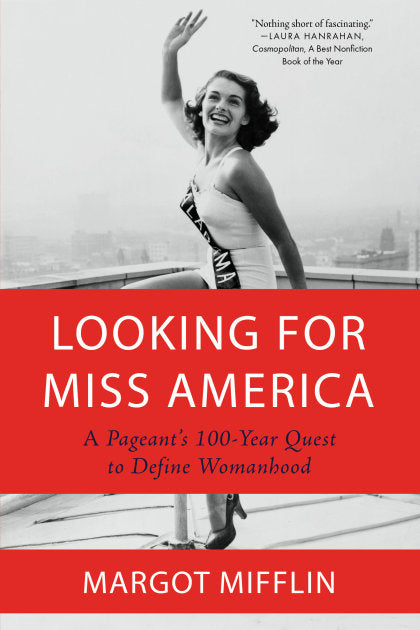
From an author praised for writing “delicious social history” (Dwight Garner, The New York Times) comes a lively account of memorable Miss America contestants, protests, and scandals—and how the pageant, now in its one hundredth year, serves as an unintended indicator of feminist progress
Looking for Miss America is a fast–paced narrative history of a curious and contradictory institution. From its start in 1921 as an Atlantic City tourist draw to its current incarnation as a scholarship competition, the pageant has indexed women’s status during periods of social change—the post–suffrage 1920s, the Eisenhower 1950s, the #MeToo era. This ever–changing institution has been shaped by war, evangelism, the rise of television and reality TV, and, significantly, by contestants who confounded expectations.
Spotlighting individuals, from Yolande Betbeze, whose refusal to pose in swimsuits led an angry sponsor to launch the rival Miss USA contest, to the first black winner, Vanessa Williams, who received death threats and was protected by sharpshooters in her hometown parade, Margot Mifflin shows how women made hard bargains even as they used the pageant for economic advancement. The pageant’s history includes, crucially, those it excluded; the notorious Rule Seven, which required contestants to be “of the white race,” was retired in the 1950s, but no women of color were crowned until the 1980s.
In rigorously researched, vibrant chapters that unpack each decade of the pageant, Looking for Miss America examines the heady blend of capitalism, patriotism, class anxiety, and cultural mythology that has fueled this American ritual.
STANDARD, PRIMARY, DM AND VARIANT COVERS
Standard and Primary covers are widely available through general retailers. They often have higher print runs and can be cheaper, especially during sales.
In contrast, Direct Market (DM) and variant covers are primarily sold in comic shops. DM editions tend to have more limited availability and may be more valuable to collectors.
The main differences lie in artwork style, availability, price, and collector appeal. Ultimately, the choice between standard and variant covers depends on personal preference, budget, and individual collecting goals.
PRODUCT TYPES
Comic book enthusiasts have various formats to choose from when collecting their favorite stories.
Here's a brief overview of the main types:
Omnibus
- Large, hardcover collections
- Usually contain complete runs or extensive story arcs
- Typically 800-1000+ pages
- Higher price point, often €100-€150
Oversized Hardcover (OHC)
- Similar dimensions to omnibus, but thinner
- Collect shorter runs or story arcs
- Usually 300-600 pages
- Priced between €30-€50
Hardcover (HC)
- Standard-sized hardcover books
- Collect 6-12 issues typically
- Similar dimensions to single issues, but with a hard cover
- Priced around €25-€35
Trade Paperback (TP)
- Softcover collections
- Standard comic book size
- Usually collect 4-6 issues
- Most affordable option, typically €15-€25
Other Formats
- Absolute Editions: Oversized, deluxe hardcovers (mainly DC Comics)
- Compendiums: Massive paperback collections
- Graphic Novels (OGN/GN): Original stories not previously released as single issues
The choice between these formats often depends on personal preference, budget, and collecting goals. Omnibus and OHC editions offer larger artwork and more content but at a higher price, while TPs provide a more affordable way to collect complete story arcs