

Random House Publishing Group
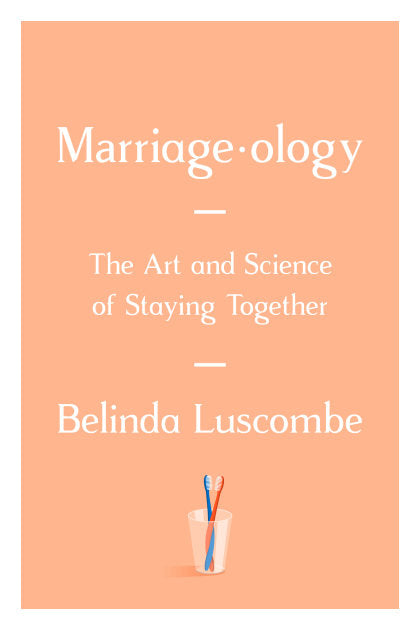
Marriageology
Marriageology
Couldn't load pickup availability
Collapsible content
ABOUT
Like you, probably, Belinda Luscombe would rather have had her eyes put out than read a book about marriage; they all seemed full of advice that was obvious, useless, or bad. Plus they were boring. But after covering the relationship beat for Time magazine for ten years, she realized there was a surprisingly upbeat and little-known story to tell about the benefits of staying together for the long haul. Casting a witty, candid, and probing eye on the latest behavioral science, Luscombe has written a fresh and persuasive report on the state of our unions, how they’ve changed from the marriages of our parents’ era, and what those changes mean for the happiness of this most intimate and important of our relationships.
In Marriageology Luscombe examines the six major fault lines that can fracture contemporary marriages, also known as the F-words: familiarity, fighting, finances, family, fooling around, and finding help. She presents facts, debunks myths, and provides a fascinating mix of research, anecdotes, and wisdom from a wide range of approaches—from how properly dividing up chores can result in a better sex life to the benefits of fighting with your spouse (though not in the car) to whether or not to tell your partner that you lost $70,000. (The last one is from firsthand experience.)
Marriageology offers simple, actionable, maybe even borderline fun techniques and tips to try, whether the relationship in question is about to conk out or just needs a little grease and an oil change. The best news of all is that sticking together is easier than it looks.
Praise for Marriageology
“Drawn from what she learned covering the relationship beat for Time, Luscombe’s how-not-to-split-up manual is witty and wise.”—People
“People are still getting married, and this book is here to help. . . . A warm and companionable volume . . . [Luscombe has a] wry touch, a gift for scene-setting, and an endearingly even temper.”—The New Yorker
“Few things are more important than the quality of our relationships—and especially the one we build with our life partners. Belinda Luscombe has written a smart and funny book to help anyone work toward a stronger and more fulfilling marriage.”—Sheryl Sandberg, COO of Facebook and founder of LeanIn and OptionB
STANDARD, PRIMARY, DM AND VARIANT COVERS
Standard and Primary covers are widely available through general retailers. They often have higher print runs and can be cheaper, especially during sales.
In contrast, Direct Market (DM) and variant covers are primarily sold in comic shops. DM editions tend to have more limited availability and may be more valuable to collectors.
The main differences lie in artwork style, availability, price, and collector appeal. Ultimately, the choice between standard and variant covers depends on personal preference, budget, and individual collecting goals.
PRODUCT TYPES
Comic book enthusiasts have various formats to choose from when collecting their favorite stories.
Here's a brief overview of the main types:
Omnibus
- Large, hardcover collections
- Usually contain complete runs or extensive story arcs
- Typically 800-1000+ pages
- Higher price point, often €100-€150
Oversized Hardcover (OHC)
- Similar dimensions to omnibus, but thinner
- Collect shorter runs or story arcs
- Usually 300-600 pages
- Priced between €30-€50
Hardcover (HC)
- Standard-sized hardcover books
- Collect 6-12 issues typically
- Similar dimensions to single issues, but with a hard cover
- Priced around €25-€35
Trade Paperback (TP)
- Softcover collections
- Standard comic book size
- Usually collect 4-6 issues
- Most affordable option, typically €15-€25
Other Formats
- Absolute Editions: Oversized, deluxe hardcovers (mainly DC Comics)
- Compendiums: Massive paperback collections
- Graphic Novels (OGN/GN): Original stories not previously released as single issues
The choice between these formats often depends on personal preference, budget, and collecting goals. Omnibus and OHC editions offer larger artwork and more content but at a higher price, while TPs provide a more affordable way to collect complete story arcs