

McClelland & Stewart
The Lobster Trap
The Lobster Trap
Couldn't load pickup availability
Collapsible content
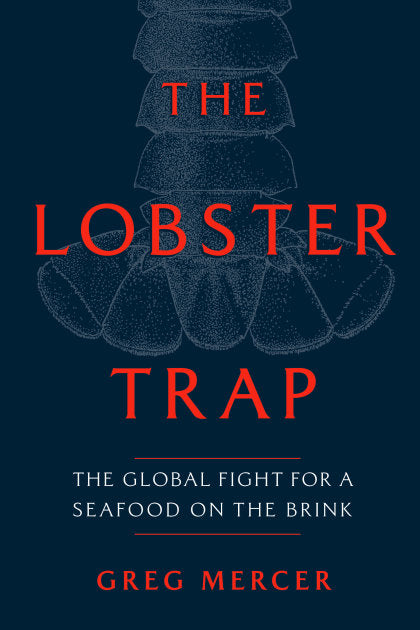
ABOUT
Lobster has been a phenomenal success story, with a commercial fishery that has generated enormous wealth and fuelled appetites for one of the world’s most recognizable luxury foods. The great lobster boom that began in the 1990s has also led to violent fights over who has the right to catch this valuable seafood, including many Indigenous people in Canada, who until recently have been excluded from this industry. Now overfishing, trade wars, and climate change are threatening the future of this fishery in deeply troubling ways.
By 2050, scientists expect that warming ocean waters in the heart of North America’s lobster fishing region will cut catches by two thirds. In some parts of America, there’s hardly any lobster left to catch. Unlike previous collapses, there are few other large-scale wild seafood species left that fishing crews can switch to. The economic upheaval for fishermen and seafood companies alike could devastate coastal communities in both Canada and the United States.
In this deeply reported, resonant, timely book, Greg Mercer takes readers on a fascinating global journey and inside this precarious moment for the lobster industry, to show the money and heartache, and the danger and violence, tied up in it. Along the way, he explores lobster’s remarkable history, the gold-rush mentality that surrounds it, and examines the looming crisis for this most precious shellfish.
STANDARD, PRIMARY, DM AND VARIANT COVERS
Standard and Primary covers are widely available through general retailers. They often have higher print runs and can be cheaper, especially during sales.
In contrast, Direct Market (DM) and variant covers are primarily sold in comic shops. DM editions tend to have more limited availability and may be more valuable to collectors.
The main differences lie in artwork style, availability, price, and collector appeal. Ultimately, the choice between standard and variant covers depends on personal preference, budget, and individual collecting goals.
PRODUCT TYPES
Comic book enthusiasts have various formats to choose from when collecting their favorite stories.
Here's a brief overview of the main types:
Omnibus
- Large, hardcover collections
- Usually contain complete runs or extensive story arcs
- Typically 800-1000+ pages
- Higher price point, often €100-€150
Oversized Hardcover (OHC)
- Similar dimensions to omnibus, but thinner
- Collect shorter runs or story arcs
- Usually 300-600 pages
- Priced between €30-€50
Hardcover (HC)
- Standard-sized hardcover books
- Collect 6-12 issues typically
- Similar dimensions to single issues, but with a hard cover
- Priced around €25-€35
Trade Paperback (TP)
- Softcover collections
- Standard comic book size
- Usually collect 4-6 issues
- Most affordable option, typically €15-€25
Other Formats
- Absolute Editions: Oversized, deluxe hardcovers (mainly DC Comics)
- Compendiums: Massive paperback collections
- Graphic Novels (OGN/GN): Original stories not previously released as single issues
The choice between these formats often depends on personal preference, budget, and collecting goals. Omnibus and OHC editions offer larger artwork and more content but at a higher price, while TPs provide a more affordable way to collect complete story arcs