

Clarkson Potter/Ten Speed
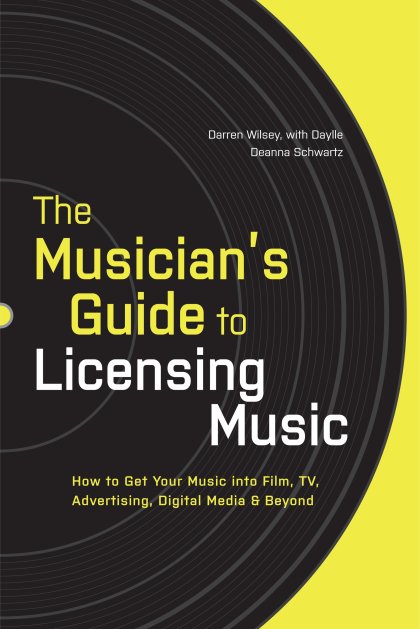
The Musician's Guide to Licensing Music
The Musician's Guide to Licensing Music
Couldn't load pickup availability
Collapsible content
ABOUT
Record deals are so twentieth century. Today, music licensing is the fastest route to widespread exposure and a steady income. Creators of films, television shows, commercials, video games, ringtones, podcasts and other digital-age media hunger for music perfectly suited to their projects—providing endless, lucrative opportunities for savvy musicians. Whether you’re an unknown composer, an up-and-coming songwriter, an independent-label performer, or a big label star, there’s a place for you in this fast-growing field—as long as you learn to master the game.
How does music licensing work? Where are the most abundant and rewarding opportunities? Find the answers in this authoritative, up-to-the-moment overview of one of the most effective ways to market your talent. It’s all here:
<ul><li>The key players in the music licensing business and the best ways to make contacts and bring your music to their attention</li><li>Types of licensing agreements and how to understand them</li><li>An inside look at the licensing selection process and how to get a jump on music requests</li><li>Negotiating payment and protecting your music in the open marketplace, including international venues</li><li>Getting music licensed for television shows, films, commercials, digital media, and less obvious markets like colleges and universities, theater companies, corporate training videos, and restaurants</li><li>Firsthand advice from top music executives, marketers, music supervisors, lawyers, talent managers, and filmmakers</li></ul>
STANDARD, PRIMARY, DM AND VARIANT COVERS
Standard and Primary covers are widely available through general retailers. They often have higher print runs and can be cheaper, especially during sales.
In contrast, Direct Market (DM) and variant covers are primarily sold in comic shops. DM editions tend to have more limited availability and may be more valuable to collectors.
The main differences lie in artwork style, availability, price, and collector appeal. Ultimately, the choice between standard and variant covers depends on personal preference, budget, and individual collecting goals.
PRODUCT TYPES
Comic book enthusiasts have various formats to choose from when collecting their favorite stories.
Here's a brief overview of the main types:
Omnibus
- Large, hardcover collections
- Usually contain complete runs or extensive story arcs
- Typically 800-1000+ pages
- Higher price point, often €100-€150
Oversized Hardcover (OHC)
- Similar dimensions to omnibus, but thinner
- Collect shorter runs or story arcs
- Usually 300-600 pages
- Priced between €30-€50
Hardcover (HC)
- Standard-sized hardcover books
- Collect 6-12 issues typically
- Similar dimensions to single issues, but with a hard cover
- Priced around €25-€35
Trade Paperback (TP)
- Softcover collections
- Standard comic book size
- Usually collect 4-6 issues
- Most affordable option, typically €15-€25
Other Formats
- Absolute Editions: Oversized, deluxe hardcovers (mainly DC Comics)
- Compendiums: Massive paperback collections
- Graphic Novels (OGN/GN): Original stories not previously released as single issues
The choice between these formats often depends on personal preference, budget, and collecting goals. Omnibus and OHC editions offer larger artwork and more content but at a higher price, while TPs provide a more affordable way to collect complete story arcs